2025-06-15
 0
0

In a walkable district in Midtown Manhattan, dozens of theatres cluster together, surrounded by cafes, restaurants, and hotels. This spatial concentration fosters a strong agglomeration economy, where performers, producers, audiences, and service providers benefit from proximity and constant interaction.
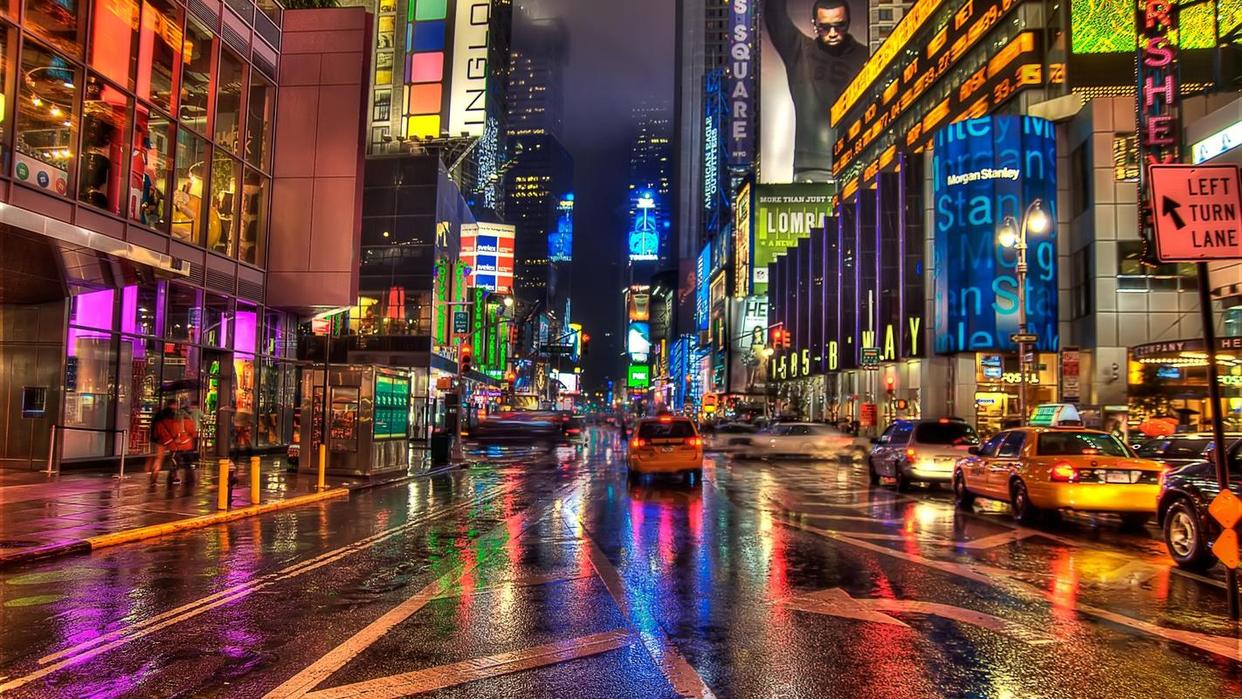
Statistics show that for every additional $1 in box office revenue at Broadway in New York, it can bring an additional $7 in revenue to the surrounding areas and industries.
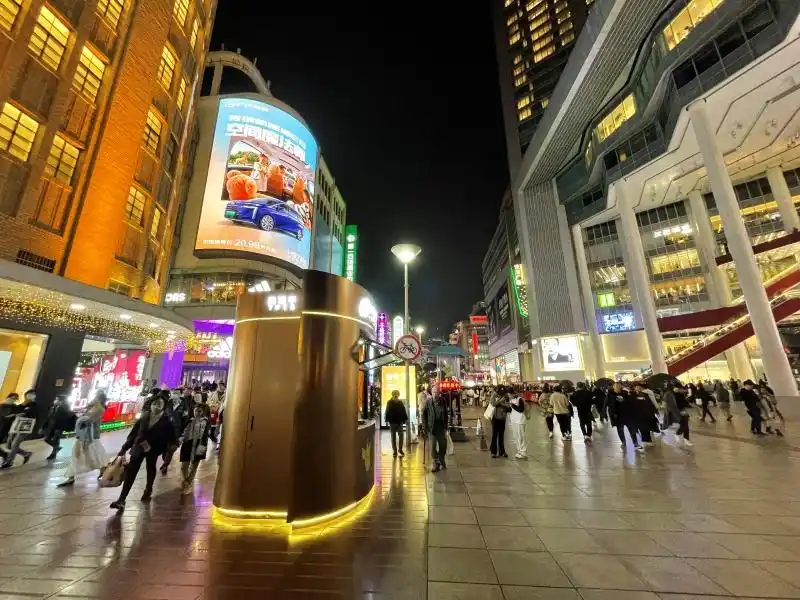
SHOW LIFE is a performing arts cluster area with People's Square in Huangpu District, Shanghai City, China. Within a 1.5-square-kilometer area around People's Square, there are 21 theaters and performance Spaces in operation, with a density of 14 theaters per square kilometer, which is the largest and most densely populated theater cluster in China.
Methodology
Using spatial data visualization and point-of-interest (POI) analysis, we assess whether the local configuration of theaters and facilities exhibits shows a sign of cultural agglomeration economy.
This study tallied the theaters that were included in the SHOW LIFE and were within a 1.5-kilometer radius around People's Square from Gaode Maps. And count the number of POIs (metro stations, cafes, restaurants, hotels) within 500 meters of each theatre.
Key findings
Figure1: Distribution of Theaters and Supporting Facilities around People's Square
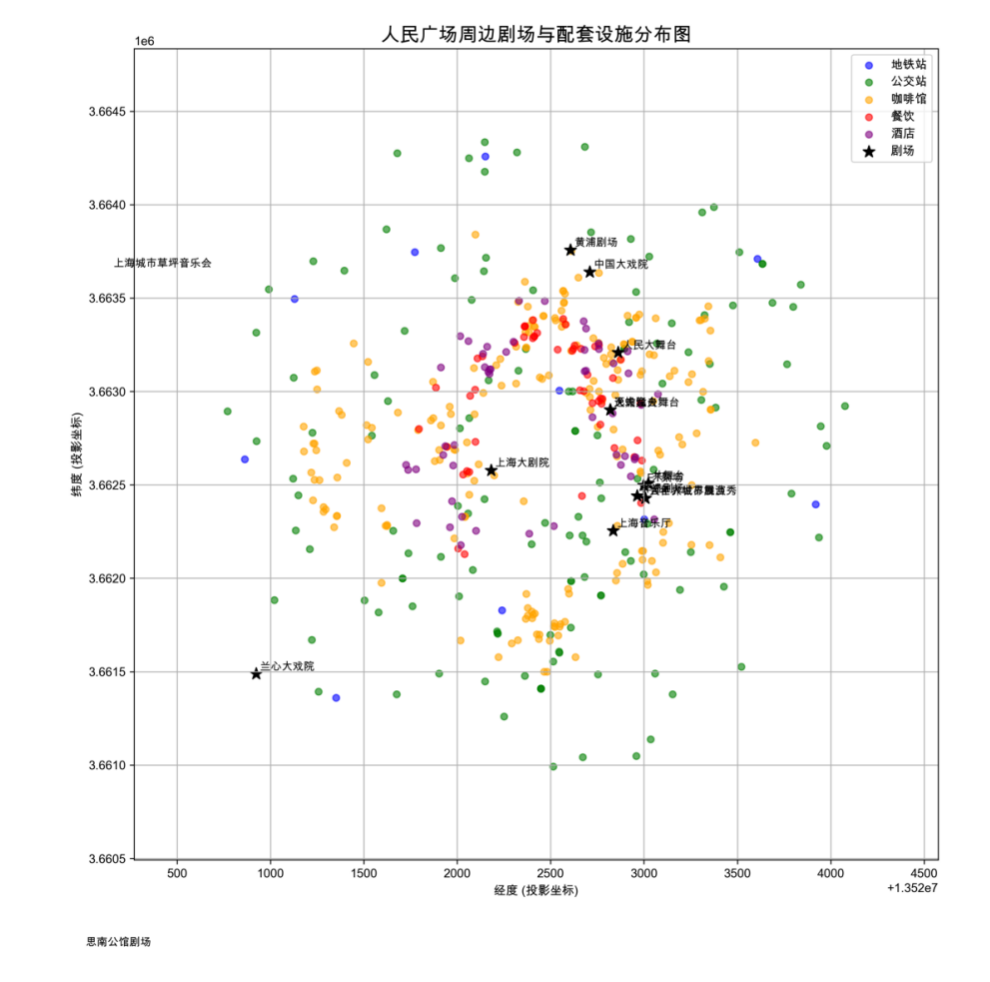
l Spatial Proximity: Theaters around People’s Square are located within a walkable radius, performers and audiences can enjoy or the theaters in this area. Performers can perform different musicals, have rehearsal and take auditions in different theaters, and audiences can watch multiple shows on the same day.
l Supportive Infrastructure: The area is densely served by metro stations, restaurants, hotels, and cafes, making it highly accessible and attractive to both residents and tourists. During the breaks of the performance, the audience will consume at nearby restaurants and cafes. Audiences from other places can take advantage of the convenient transportation facilities and hotels, which can boost the economy of the area.
l Emerging Cultural Branding: This concentration contributes to Shanghai's image as a cultural metropolis and may support the development of a recognizable theater district. SHOW LIFE will become a synonym for Chinese musicals and a symbol of Chinese musical brands. There will also be more musical atmosphere in the area around People's Square. For instance, there will be musical billboards at the People's Square subway station.
l Potential for Creative Spillovers: Proximity enables collaboration and talent mobility, supporting a dynamic cultural ecosystem. As early as the new business form of musicals was just shaping in Shanghai, many performers has moved from Beijing to Shanghai. Shanghai Conservatory of Music and Shanghai Theatre Academy have also become the top choices for talents who are determined to engage in the musical industry in the future.
Gap with Broadway
Figure 2: Heat map
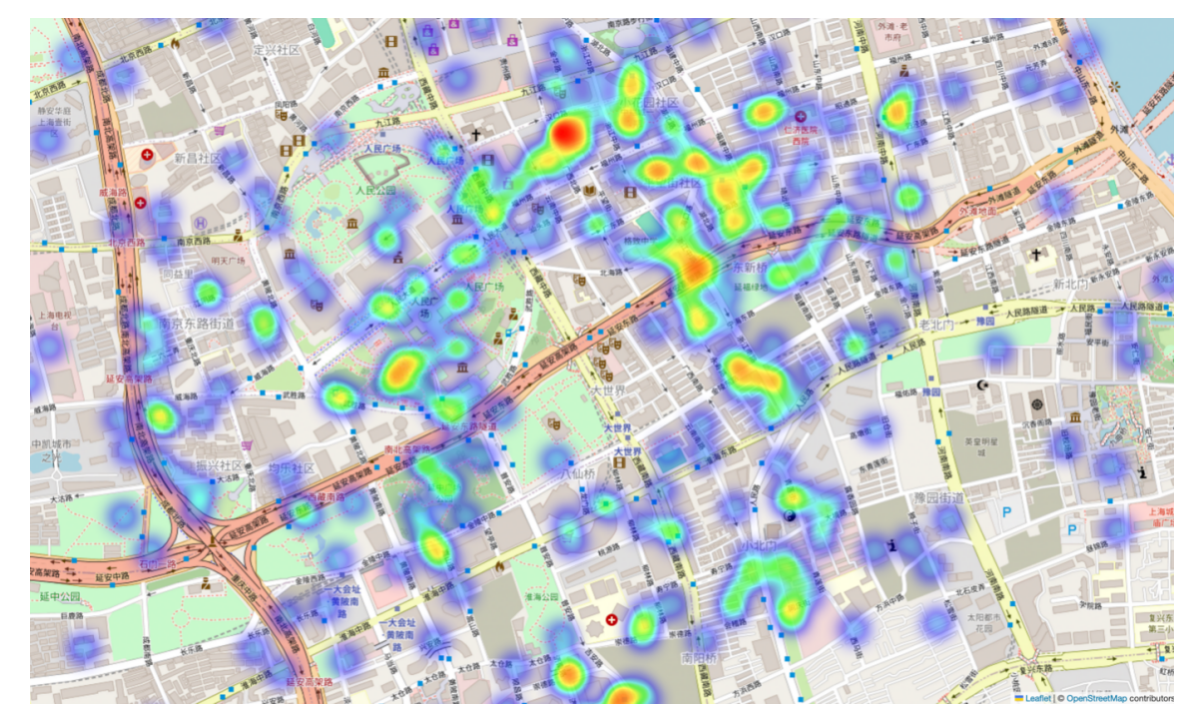
Judging from the heat map, there is a certain flow of people near Show Life, but it is still much lower compared with Broadway. The formation of culture agglomeration in Shanghai depends on the popularity of musical theatre culture and the quality of the works. However, the location of show life still provides a large space for future development. It is close to well-known tourist attractions such as the Bund and Nanjing Road Pedestrian Street, where forming an agglomeration economy of tourism.